Raspberry Pi has introduced the Camera Module 3 series, the successor to the popular Camera ā¦
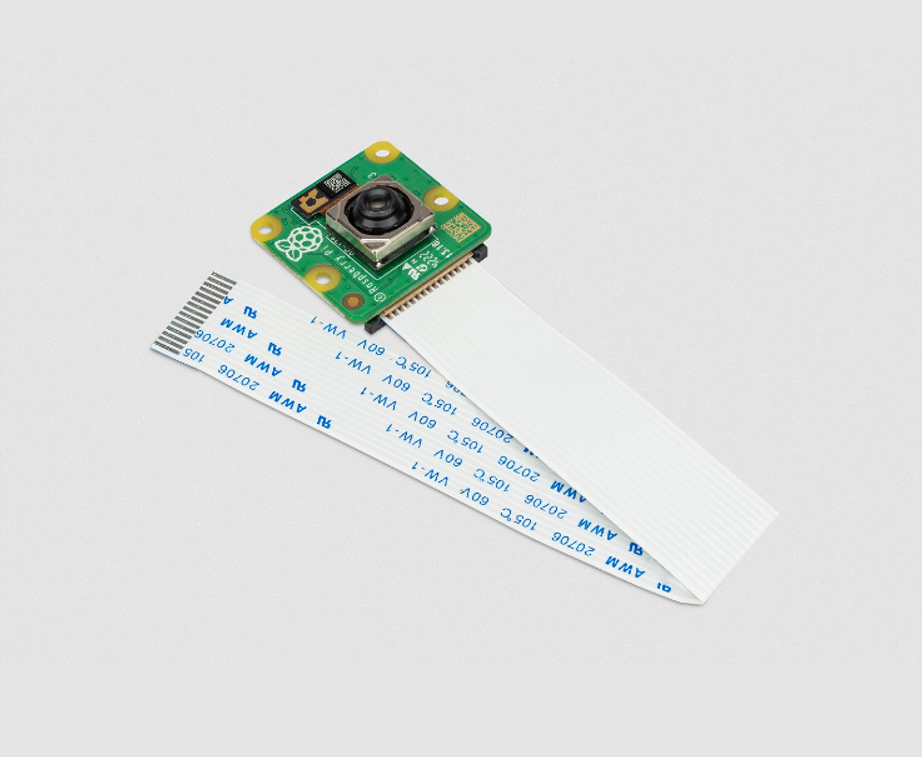
Raspberry Pi has introduced the Camera Module 3 series, the successor to the popular Camera Module 2 lineup released in April 2016. This latest generation brings major upgrades in image quality, performance, and functionality, making it the new standard for Raspberry Pi camera modules.
The Raspberry Pi Camera Module 3 Standard/Wide is designed for all Raspberry Pi computers and features a 12-megapixel autofocus sensor fully supported by the Picamera2 Python library. Built around the advanced Sony IMX708 sensor, it delivers noticeably improved image quality, enhanced low-light performance, and faster autofocus compared to Camera Module 2.
Camera Module 3 is available in multiple versions:
Standard Lens (76°) or Wide-angle Lens (120°)
Regular or NoIR (infrared-sensitive) variants
The standard model is ideal for everyday photography in normal lighting conditions, while the NoIR version removes the infrared filter, making it perfect for night-vision projects when paired with an IR light source.
Key Features
12-megapixel back-illuminated stacked CMOS sensor (Sony IMX708)
High signal-to-noise ratio for cleaner images
Built-in 2D Dynamic Defect Pixel Correction
Phase Detection Autofocus (PDAF) for fast and accurate focusing
QBC re-mosaic function for improved color accuracy
HDR mode (up to 3-megapixel output)
CSI-2 serial data interface
2-wire serial communication with support for I²C fast and fast-mode plus
Motor-driven focus mechanism controllable via I²C
Enhanced low-light performance
High dynamic range (HDR) capability
Sony IMX708 sensor with I²C-controlled autofocus actuator
Large 7.4 mm diagonal sensor
12 MP resolution
76° diagonal viewing angle (standard model)
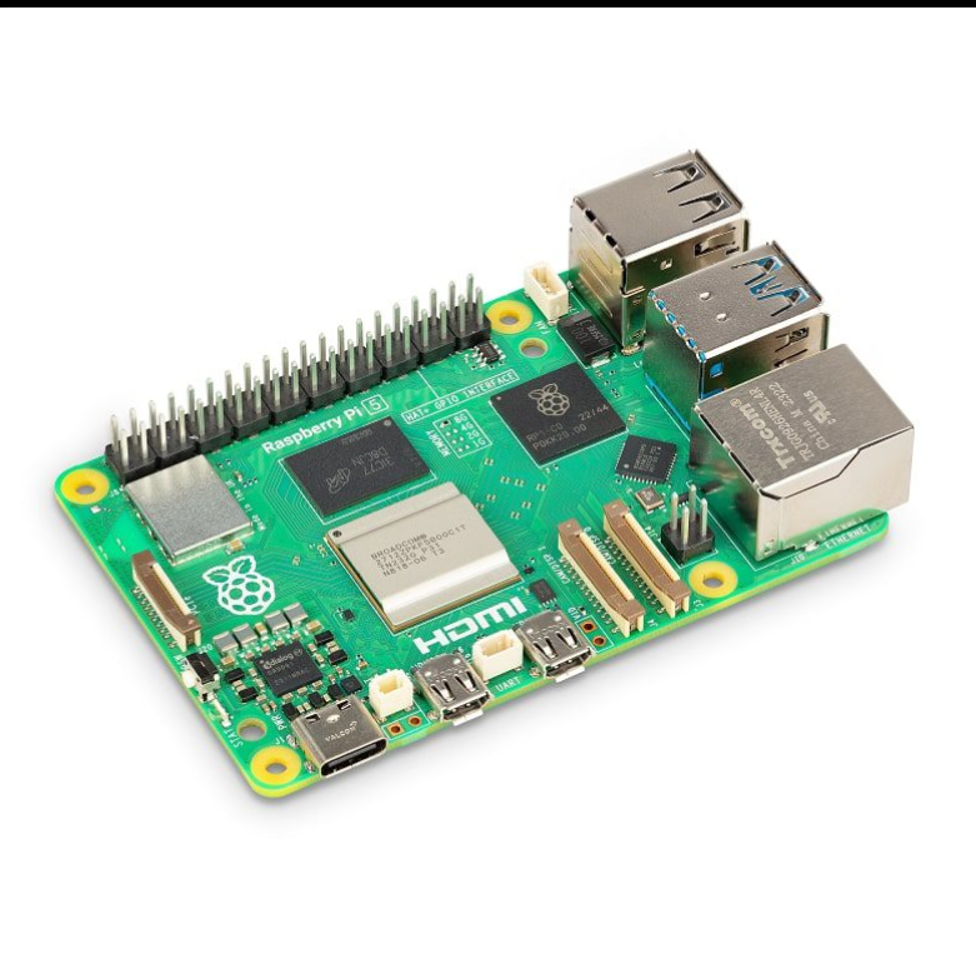
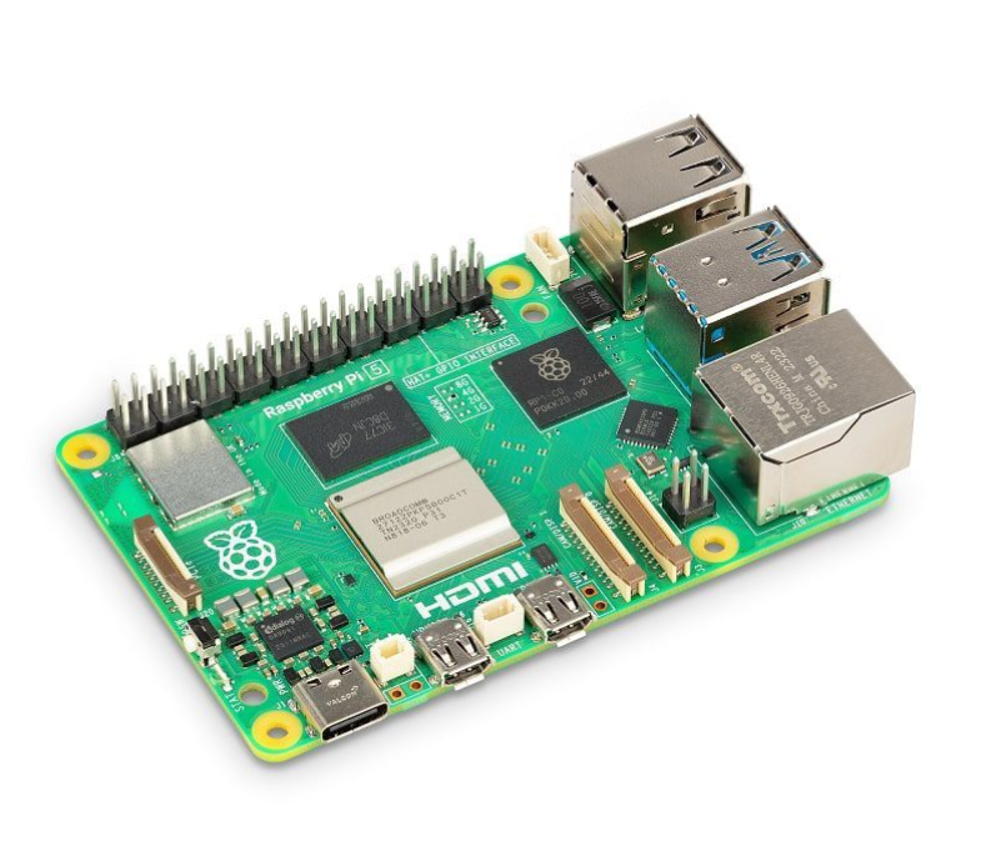
Fully compatible with all Raspberry Pi models*